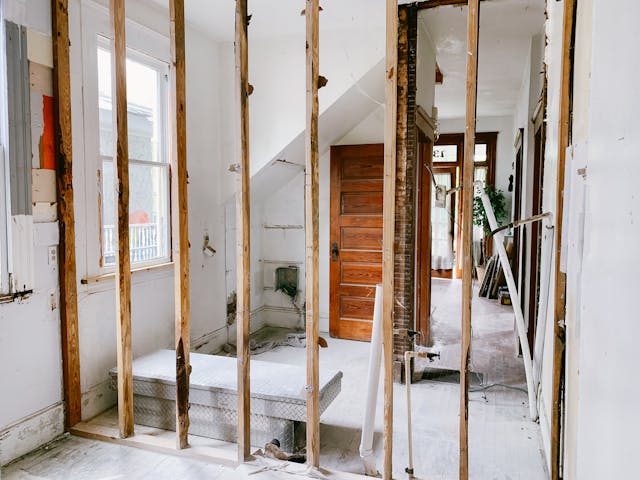
Home remodeling is one of the most impactful ways to improve comfort, functionality, and long-term property value. Whether you are updating a single room or rethinking your entire layout, success depends on careful planning, clear priorities, and the right team guiding the process. Early decisions influence everything from budget control to final design cohesion, so starting with a structured approach is essential.
For homeowners looking for professional support and design inspiration, you can explore this resource early in the planning stage: Optimal Home Remodel & Design. It provides a helpful overview of remodeling services and design possibilities that can guide better decision-making from the beginning.
Understanding Your Remodeling Goals
Before any design work begins, it is important to define what you want to achieve. Some homeowners focus on increasing resale value, while others prioritize lifestyle improvements such as more open space, better storage, or modern finishes. Clear goals help prevent scope creep, which is one of the most common reasons projects go over budget.
Start by asking simple but important questions:
- Which areas of the home feel most outdated or inefficient?
- What daily frustrations do you want to solve?
- Are you remodeling for long-term living or future resale?
Having clarity at this stage ensures that design decisions stay aligned with your original vision.
Budget Planning and Financial Priorities
A successful remodel is built on a realistic and well-structured budget. Many homeowners underestimate costs because they focus only on visible upgrades and overlook structural work, permits, and labor.
A strong budgeting strategy includes:
- A primary construction budget
- A contingency reserve for unexpected issues
- A design and planning allocation
- A materials and finishes allowance
It is also helpful to prioritize spending. Structural improvements, plumbing, electrical systems, and layout changes should typically come before cosmetic upgrades. This ensures the home is not only beautiful but also safe and functional.
The Importance of Design Cohesion
One of the most overlooked aspects of remodeling is design consistency. A home that feels disjointed often results from mixing styles, materials, or layouts without an overarching plan. Cohesive design creates flow between rooms and improves both usability and visual appeal.
To maintain consistency:
- Choose a core design style early (modern, transitional, traditional, etc.)
- Use a consistent color palette throughout shared spaces
- Repeat key materials like wood tones, metals, or stone finishes
- Ensure lighting design supports the same aesthetic direction
Good design is not just about individual rooms but how the entire home feels when experienced as a whole.
Planning the Layout for Functionality
A well-designed home is built around how people actually live in it. Layout changes often provide more value than cosmetic upgrades because they directly affect usability.
Common layout improvements include:
- Opening kitchen and living areas for better flow
- Expanding storage in high-use spaces
- Improving natural light distribution
- Reconfiguring bathrooms for efficiency
Even small adjustments, such as repositioning appliances or widening walkways, can significantly improve daily comfort.
Selecting the Right Materials
Material selection impacts durability, maintenance, and overall aesthetic. While trends can be appealing, long-term performance should guide decisions.
Key considerations include:
- Durability in high-traffic areas
- Resistance to moisture and heat in kitchens and bathrooms
- Ease of cleaning and maintenance
- Compatibility with your overall design style
Investing in higher-quality materials often reduces long-term repair and replacement costs.
Working With Professionals
Remodeling involves multiple trades and design disciplines, so working with experienced professionals is critical. Designers, contractors, and architects each play a role in ensuring the project is executed properly.
A strong team helps with:
- Accurate budgeting and scheduling
- Permit approvals and code compliance
- Design optimization for space and function
- Quality control throughout construction
Communication is key. Regular updates and clear expectations reduce misunderstandings and keep the project moving efficiently.
Managing the Timeline
Home remodeling projects often take longer than expected, especially when structural changes are involved. A realistic timeline accounts for planning, permitting, demolition, construction, and finishing work.
Delays can happen due to:
- Material backorders
- Inspection scheduling
- Weather conditions
- Unexpected structural issues
Building flexibility into your schedule helps reduce stress and keeps the project on track even when changes occur.
Final Thoughts
Successful home remodeling is the result of thoughtful planning, disciplined budgeting, and cohesive design execution. When each phase is approached strategically, the result is a home that not only looks better but also functions more efficiently for everyday life. Taking the time to plan properly at the beginning ensures a smoother process and a more satisfying final outcome.
